
Blue Gum vs Black Wattle vs Kameeldoring: which wood?
Three woods, three jobs: which one suits your braai, fireplace or stove, and why.
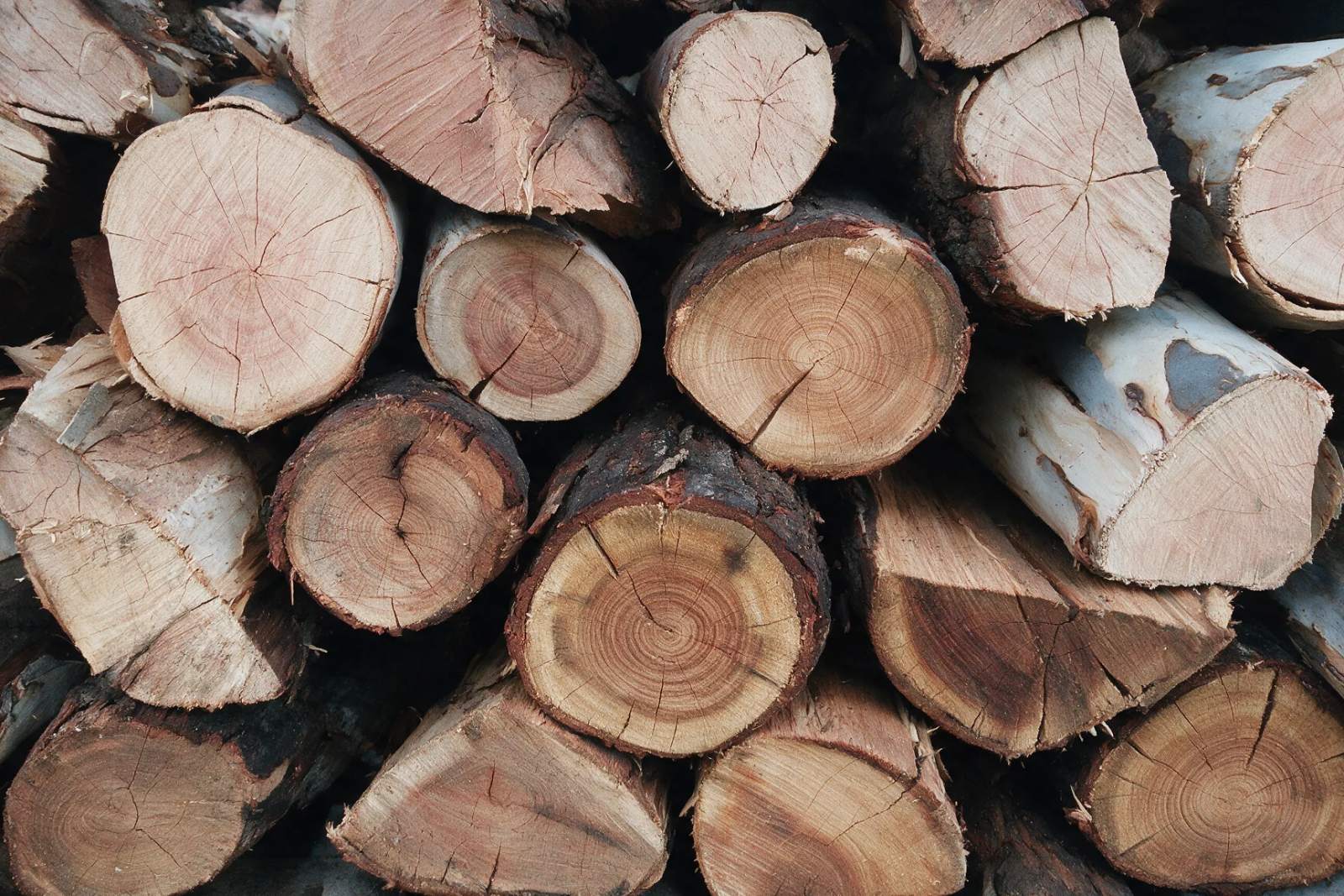
Blue Gum vs Black Wattle vs Kameeldoring? It comes down to one question: what are you burning it in? For the braai, Kameeldoring is the ultimate wood and Black Wattle is the economical one. For an indoor fireplace or a closed-combustion stove, Blue Gum is the everyday wood, and Kameeldoring earns its place when you want a long, hot fire that runs through the night. Below we explain why.
The short answer
| Your fire | Our pick |
|---|---|
| Braai, when you want the best coals | Kameeldoring |
| Braai, everyday and economical | Black Wattle |
| Indoor open fireplace | Blue Gum |
| Closed-combustion stove, everyday | Blue Gum |
| Closed-combustion stove, long overnight burn | Kameeldoring, best mixed with Blue Gum |
If you’d rather shop by fire than by wood, our braai wood and fireplace and stove wood pages are built for exactly that. Here’s the longer story, one wood at a time.
Blue Gum (bloekom): the indoor workhorse
Blue Gum is a eucalyptus, and its Afrikaans name, bloekom, comes straight from the English “blue gum”. Our Blue Gum firewood is the wood we’d put in your lounge, and it’s harvested from sustainable plantations.
How it burns: hot, clean, minimal ash
Blue Gum burns hot and clean, with minimal ash and few coals left behind. Indoors that’s exactly what you want: plenty of heat in the room and not much to scoop out of the grate the next morning. Daily Maverick’s rundown of fireplace and braai wood rates it for indoor fires too, in open fireplaces and in modern enclosed ones with a glass front.
Why it isn’t a braai wood
The thing that makes Blue Gum so tidy indoors works against it at the braai. It gives you lots of flame and few coals, and it’s the coals that cook the meat. You can braai over it, but you’ll spend the evening feeding the fire and chasing heat while the chops wait. For the grid, choose Black Wattle or Kameeldoring.
Black Wattle: the economical braai wood
Black Wattle (Acacia mearnsii) is, like Rooikrans, an Australian acacia. Ours is harvested from sustainable plantations too.
Coals and burn: much like Rooikrans
Black Wattle makes decent braai coals and performs very similarly to Rooikrans, the Western Cape’s classic braai wood. The World Agroforestry tree database says the wood is moderately dense, splits easily and burns well. Out on the stoep, that means a steady fire and a proper bed of coals for your chops and wors.
To be clear: we don’t sell Rooikrans. If you swear by Rooikrans, our Black Wattle braai wood is the one to try.
Where it shines
Black Wattle is the economical choice for everyday braais: Friday-night chops, the Sunday family braai, the big get-together where the fire has to keep going for a good while. It’s wood you can light on an ordinary Tuesday without thinking twice.
Kameeldoring: premium braai and long, hot burns
Kameeldoring (camel thorn, Vachellia erioloba) is the wood braaiers talk about with a bit of reverence, and for good reason.
Bone dry and dense: why it burns so hot and long
Camel thorn is a slow-growing indigenous tree, and its wood is, in Wikipedia’s words, “extremely dense and strong”. Dense wood packs a lot of fuel into every log. That’s why Kameeldoring burns exceptionally hot, lasts very long and leaves world-class braai coals that hold their heat through a long braai or a slow potjie.
Our Kameeldoring braai wood is always bone dry and ready to burn straight away. The one catch with all that density is that it can be slow to light. Build it over a proper bed of kindling and a few smaller pieces, and give it time before you judge it.
Indoors: brilliant overnight, but respect the heat
Kameeldoring is also great in a closed-combustion stove when you want a long, high-heat burn that carries through the night. But that heat is no joke. The fire and firewood people Daily Maverick spoke to warn that burning nothing but very hot hardwoods like Kameeldoring can, over time, damage the inside of an enclosed fireplace, and has even been known to crack the glass. Some people mix it with Blue Gum in their enclosed units. Fireplace Services explains what burning too hot (overfiring) does: it can warp the baffle, crack firebricks and damage the air wash that keeps the glass clean, so the glass keeps going black. And if it keeps happening, your warranty may not cover the damage.
So don’t overload the firebox, use your air controls, and follow your stove manufacturer’s guidelines. Our guide to the best wood for closed-combustion stoves goes deeper on stove care.
Why it’s sold by weight
Blue Gum and Black Wattle are sold by piece count. Kameeldoring is sold by weight, because the natural logs vary widely in size and shape. One piece might be a slim branch and the next a gnarled chunk, so weight is the fairest measure.
Blue Gum vs Black Wattle vs Kameeldoring, side by side
| Wood | Best for | How it burns | Coals | Sold by |
|---|---|---|---|---|
| Blue Gum | Indoor fireplaces and closed-combustion stoves | Hot and clean, with minimal ash | Minimal | Piece count |
| Black Wattle | Economical braais | Very much like Rooikrans | Decent | Piece count |
| Kameeldoring | Braais, and long, hot overnight burns in a closed-combustion stove | Exceptionally hot, lasts very long; bone dry and ready to burn | World-class | Weight |
Can you mix them?
Yes. Two combinations work really well.
At the braai: get the fire going with Black Wattle, then add Kameeldoring once it’s burning well. The Black Wattle gets things moving, and the Kameeldoring gives you the long-lasting coals you’ll actually cook over. For a long braai or a potjie, keep a small feeder fire going on the side.
In a closed-combustion stove: mix Blue Gum and Kameeldoring. Blue Gum keeps the fire lively and clean, Kameeldoring adds long, deep heat, and together they’re gentler on your stove than a firebox full of Kameeldoring alone. It’s the same kind of mix the Daily Maverick piece mentions for enclosed units.
What we wouldn’t do is braai over Blue Gum alone, or pack a glass-fronted stove with nothing but Kameeldoring.
Houtboer tip: On a long braai, build your feeder fire to one side. When the coals under the grid start to fade, rake fresh ones across instead of throwing new wood on under the meat. You keep the heat even and the smoke off your food.
Still not sure?
Tell us what you’re burning it in, and we’ll tell you straight which wood suits it. Send us a WhatsApp and we’ll chat through the current options with you. We deliver in Paarl, Wellington, Val de Vie and Pearl Valley in the Western Cape, and in Klapmuts and Franschhoek for an additional fee.
Questions we get about this
Which wood is best for a braai?
Kameeldoring is the ultimate braai wood: it burns very hot and long and leaves world-class coals. For an economical everyday braai, Black Wattle makes decent coals and performs much like Rooikrans.
Can I braai with Blue Gum?
You can, but it’s not what it’s best at. Blue Gum gives lots of flame and few coals, which is great in a fireplace but not ideal under a grid. For the braai, pick Black Wattle or Kameeldoring.
Which wood lasts longest overnight?
Kameeldoring. In a closed-combustion stove it gives long, high-heat burns that carry through the night. It burns very hot, so don’t overload the firebox, use the air controls, follow your stove’s manual and consider mixing it with Blue Gum.
Can I mix different woods?
Yes. At the braai, get the fire going with Black Wattle and add Kameeldoring for long-lasting coals. In a closed-combustion stove, Blue Gum mixed with Kameeldoring gives a long, steady fire that is easier on the stove than Kameeldoring on its own.
Which wood makes the least ash?
Blue Gum. It burns hot and clean with minimal ash and few coals, so there’s very little to clean out the next morning. That’s why it’s our pick for indoor fireplaces and closed-combustion stoves.